
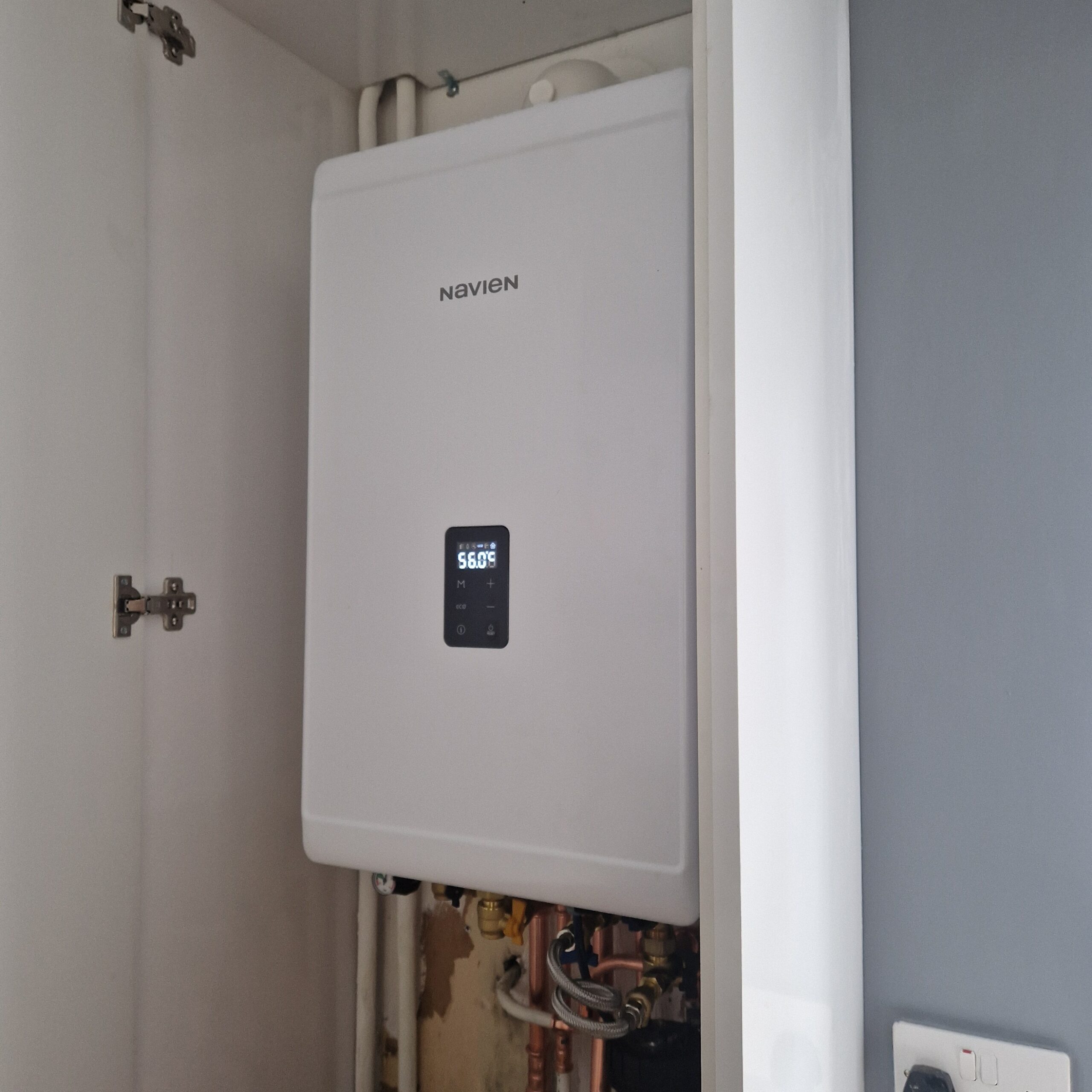
When it comes to home comfort and energy efficiency, nothing is more important than having a reliable boiler. The right boiler ensures you have hot water and heat whenever you need it whilst also saving money on energy bills each month. Selecting a boiler that suits your home and lifestyle is crucial. This guide aims to provide actionable insights on how to choose the right boiler for your home, discussing factors from size and energy efficiency to brands and cost.
Types of Boilers
Scotland homeowners have a diverse range of boilers to choose from. The optimal choice depends on your home’s configuration and hot water demands. Boilers are categorised into three types: combi boilers, system boilers and conventional boilers.
Combi Boilers
A combination or combi boiler heats water directly from the mains. The instant you call for heat, the boiler springs into action, delivering heat without delay. Unlike other styles, combi boilers eliminate the need for a hot water cylinder or water storage tank, which translates to space, electricity and cost savings in the long haul.
Consider a combi boiler if:
- You want to save space: Combi boilers have a compact design that takes up very little space.
- Efficiency is important to you: Combi boilers heat water on demand rather than storing hot water, leading to energy savings. Look for an A-rated combi boiler to maximise performance.
System Boilers
System boilers heat and store water in a cylinder, ensuring ample hot water for your home heating or showering needs. As a result, they are typically found in homes with multiple bathrooms and higher hot water demand.
The benefits of a system boiler include:
- Space efficiency: With no need for a loft water storage tank, system boilers are a good match for homes with limited space or those planning a loft conversion.
- Energy savings: Top-tier system boilers are A-rated for efficiency, thanks to most components being integrated within the boiler.
- Hassle-free installation: The built-in components facilitate quick, straightforward installation.
Conventional Boilers
Conventional boilers work in tandem with a separate cold water storage tank, usually located in the loft, to maintain the required water level for your heating system. When hot water is needed, a heat exchanger warms the water from the tank, which is then stored in a hot water cylinder, ready for use.
A conventional boiler could be your go-to if:
- You have an existing conventional boiler setup and old radiators that might not withstand the high water pressure delivered by system and combi boilers.
- Your area experiences low water pressure. Conventional boilers rely on gravity, not mains pressure, to deliver water from the storage tank to the hot water cylinder, which is useful if your water pressure is low.
- You have a large home where multiple taps and showers frequently run simultaneously, necessitating a continuous hot water supply. Conventional boilers store hot water in a separate cylinder, providing high flow rates to facilitate multiple hot water activities at once.
Factors to Consider When Choosing a Boiler
Besides weighing the benefits listed above, choosing the right boiler size, type and model for your home involves these considerations:
- Heating and hot water requirements: Assessing the size of your home, the number of occupants and the overall heating requirements is crucial for getting the size right. Evaluate the square footage, the number of bathrooms and the insulation quality. Larger homes or poorly insulated spaces may require a boiler with a higher kilowatt (kW) rating to provide adequate heating and hot water.
- Energy efficiency: Opt for a boiler with a high efficiency rating to minimise energy waste and reduce your carbon footprint. Efficient boilers convert a higher percentage of fuel into heat, saving you money on energy bills whilst contributing to a more sustainable environment.
- Fuel type: The choice of fuel—gas, oil, electricity or LPG—can significantly impact your boiler’s efficiency and operating costs. Availability and cost of fuel in your area are key considerations. Each fuel type has advantages and disadvantages in terms of cost, efficiency and environmental impact.
- Pricing: The cost of a boiler encompasses the upfront purchase price, installation and ongoing operational costs. It’s wise to choose a boiler that fits your budget upfront and offers energy efficiency to save over the unit’s lifespan.
- Installation and maintenance needs: Evaluate the ease of installation and ensure a qualified technician performs maintenance and repairs. Regular servicing is essential to keep your boiler running efficiently and safely. A boiler with straightforward installation and maintenance will save you time and prevent inconvenience.
- Brands and models: As you explore various boiler brands and models, be sure to read reviews, compare features, assess efficiency ratings and weigh costs. Getting a professional’s recommendation is also a great way to feel confident with your decision.
Explore Your Boiler Options with MPH Boilers
Choosing the right boiler for your home means investing in warmth and comfort for many years to come. At MPH Boilers, we emphasise quality and compassion, which is reflected in every installation, repair and customer interaction. Our award-winning excellence is a promise to you. With a comprehensive range of expert boiler installation and maintenance services across mainland Scotland, we tailor our services to meet your needs. To take the next step towards complete home comfort, please call us on 0800 779 7778 and request a quote for boiler installation in Kirkcaldy.
Frequently Asked Questions
What is the boiler installation process in Scotland?
The installation begins with a home assessment by a qualified engineer to determine the right boiler size and type. You receive a quote post-assessment, and the installation is booked upon your approval. The actual installation usually takes about a day.
Are there any grants available for boiler installation in Scotland?
Yes, government grants and schemes are available for Scotland homeowners looking to upgrade their boilers to more energy-efficient models. Check the latest schemes on the Scottish Government website or contact local authorities for more information.
How often should boilers be serviced?
It’s recommended to have a certified technician service your boiler annually to ensure safe, efficient operation.